

Vietnam Medical Tourism Alliance Launches: Unlocking the Potential of a Billion-Dollar Market
(TITC) - On the afternoon of April 7 in Hanoi, the Vietnam Medical Tourism Alliance (VMTA) was officially launched, marking the beginning of a new and important cooperation model aimed at tapping into the potential and advantages of developing medical tourism into a new brand of Vietnam.

Leaders of the Vietnam National Authority of Tourism and the Medical Services Administration attended the program. Photo: TITC
The program was attended by Nguyen Trung Khanh, Director General of the Vietnam National Authority of Tourism; Ha Van Sieu, Deputy Director General of the Vietnam National Authority of Tourism, together with leaders of affiliated units; Ha Anh Duc, Director of the Medical Services Administration under the Ministry of Health; Ngo Thu Ha, General Director of Saigon - Hanoi Commercial Joint Stock Bank (SHB); and leaders of the founding members of the Vietnam Medical Tourism Alliance (VMTA) from the tourism, healthcare, finance, and technology sectors.

Mr. Tran The Viet, representative of the Vietnam Medical Tourism Alliance, delivered remarks. Photo: TITC
In his opening remarks, Mr. Tran The Viet, representative of the Vietnam Medical Tourism Alliance, said that Vietnam’s tourism industry has recovered strongly after the pandemic, with international arrivals in 2025 reaching nearly 21.2 million, surpassing the pre-Covid-19 period. Along with this, the diversity of products and services has increased; in addition to established branded destinations, many new destinations such as Trang An and Son Doong have emerged, contributing to enhancing the appeal of Vietnam’s tourism on the world map.
In the healthcare sector, he emphasized the outstanding progress of the country’s medical industry in high-tech and specialized fields such as endoscopic surgery, organ transplantation, and complex techniques such as simultaneous heart-lung transplantation, along with the acceleration of digitalization, AI application, electronic medical records, and the upgrading of hospital infrastructure according to international standards.
In addition, the legal framework, including resolutions of the Party Central Committee, laws, decrees, and decisions of the Government and the Prime Minister, is considered an important foundation for developing medical tourism into a new national brand.
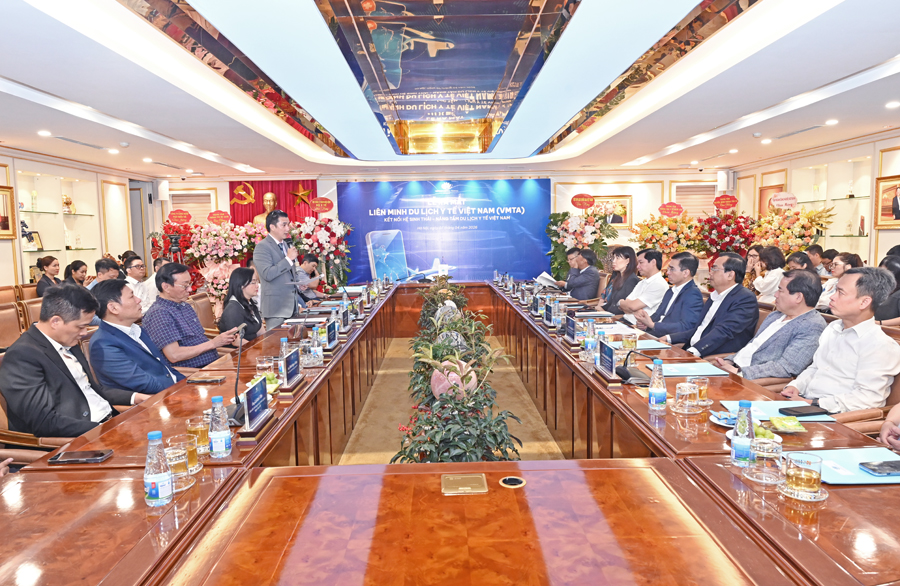
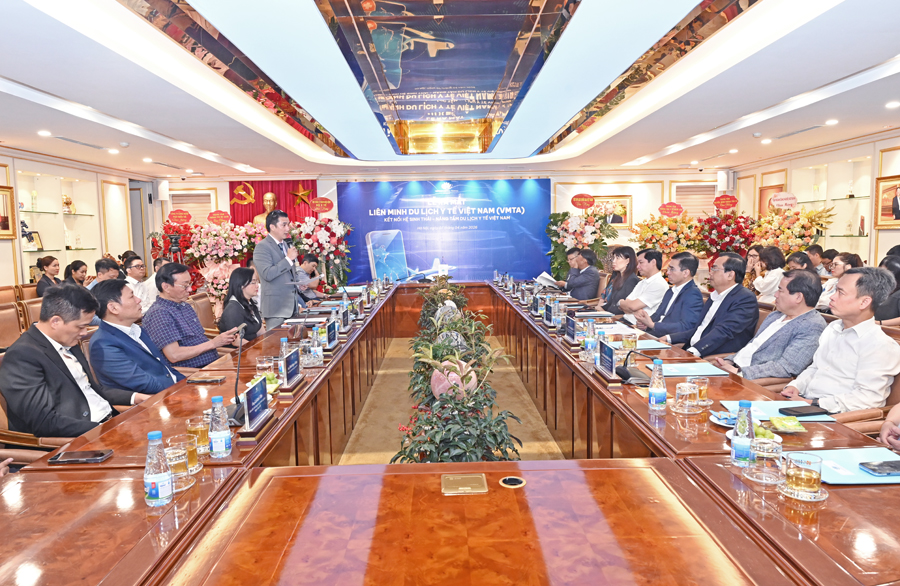
Overview of the program. Photo: TITC
Based on these favorable conditions, VMTA sets out the vision of building Vietnam into a leading medical tourism destination in the region, with the mission of integrating and effectively promoting national resources, standardizing the service system according to international standards, building a closed, transparent, personalized experience journey, and promoting a comprehensive digital ecosystem.
In the initial phase, the Alliance plans to focus development in centers with outstanding technical infrastructure, science and technology, and tourism resources, such as Hanoi - Ha Long - Trang An; Ho Chi Minh City - Da Lat - Vung Tau - Phu Quoc; and Da Nang - Hoi An - Quang Binh - Son Doong, before expanding in subsequent phases.
VMTA also aims by 2030 to establish an integrated medical tourism network consisting of tourism companies, travel agencies, accommodation providers, and especially internationally accredited healthcare facilities; attract 1-2 million medical tourists to Vietnam; increase the length of stay from 7-8 nights to 15-30 nights; generate annual revenue of USD 3-5 billion; and ensure that 100% of transactions are conducted on digital platforms.

Director General of the Vietnam National Authority of Tourism Nguyen Trung Khanh spoke at the ceremony. Photo: SHB
Congratulating the launch of the Vietnam Medical Tourism Alliance, Director General of the Vietnam National Authority of Tourism Nguyen Trung Khanh emphasized that the launch, taking place on World Health Day, April 7, is a highly meaningful activity, contributing to the implementation of Politburo Resolution No. 72-NQ/TW. The event marks a new step in the formation of a professional medical tourism ecosystem, opening opportunities to create new tourism products and helping the tourism industry achieve double-digit growth and develop into a spearhead economic sector.
Along with the strong development of science and technology and the continuous improvement of living standards, people and tourists no longer stop at the need for medical examination, treatment, and healthcare, but have expanded their needs to include experiences, relaxation, exploration of nature, culture, and local values. This is becoming one of the essential trends among tourists in the coming period.
Director General Nguyen Trung Khanh said that Vietnam possesses many favorable conditions to develop medical tourism into a branded product, from increasingly improved healthcare infrastructure and capacity, a highly qualified team of doctors, very competitive medical costs, rich cultural and natural resources, and especially the advantage of being a safe destination amid global uncertainties. In addition, the digital transformation trend is creating great opportunities to implement medical tourism in a systematic and professional manner, from electronic medical records and cashless payments to standardizing the entire service process.
However, medical tourism activities still face bottlenecks that need to be addressed, such as a lack of standardization, weak linkages, and insufficient coordinated management. Therefore, the Director General said that the establishment of the Vietnam Medical Tourism Alliance is very important in solving these issues. He expressed his hope that the Alliance would soon develop a long-term and professional action plan, ensure service quality, and increase investment in promotion and marketing activities based on market research, in order to attract international visitors to Vietnam to use medical services combined with tourism.
“As the state management agency for tourism, the Vietnam National Authority of Tourism is committed to accompanying and supporting the Alliance throughout its development process, thereby contributing to diversifying tourism products, extending visitors’ length of stay, increasing tourist spending, and making practical contributions to the goal of double-digit growth for the tourism industry as well as the national economy,” Director General Nguyen Trung Khanh emphasized.

Director of the Medical Services Administration Ha Anh Duc spoke at the ceremony. Photo: TITC
From the healthcare perspective, Director of the Medical Services Administration Ha Anh Duc said that serving tourists is not simply about medical examination and treatment, but consists of two major components: medical treatment services and health enhancement services, including wellness retreats, nursing homes, and rehabilitation services for international visitors.
In particular, Director Ha Anh Duc emphasized that the strong progress of Vietnamese medicine in recent years has opened up great potential for connection with tourism development. The professional capacity of Vietnamese doctors has been increasingly affirmed through many advanced techniques such as organ transplantation, multi-organ transplantation, specialized surgery, fetal cardiac intervention, along with a modern hospital system and many facilities meeting international standards. In addition, traditional medicine, with methods such as acupuncture, acupressure, rehabilitation, the use of medicinal herbs, and ethnic remedies, is also a unique advantage of Vietnam, highly suitable for developing wellness, healthcare, and restorative resort tourism products. When combined with advantages in natural landscapes, climate, local culture, and high-quality accommodation systems, Vietnamese healthcare can fully become a new attraction factor, contributing to the formation of wellness, recovery, and specialized treatment tourism products that are competitive in the region.
According to him, this is a field that requires high intersectoral coordination, from developing mechanisms for medical visas, immigration procedures, accommodation services, travel services, healthcare services, and digital payment tools to interoperable data connections with international insurance systems.
Director Ha Anh Duc proposed that the Alliance quickly concretize its vision, mission, and core values through practical action programs such as thematic workshops, guidelines on standards for participating hospitals, and coordination mechanisms between healthcare facilities and tourism, accommodation, and travel businesses, so that the ecosystem can operate effectively in practice.
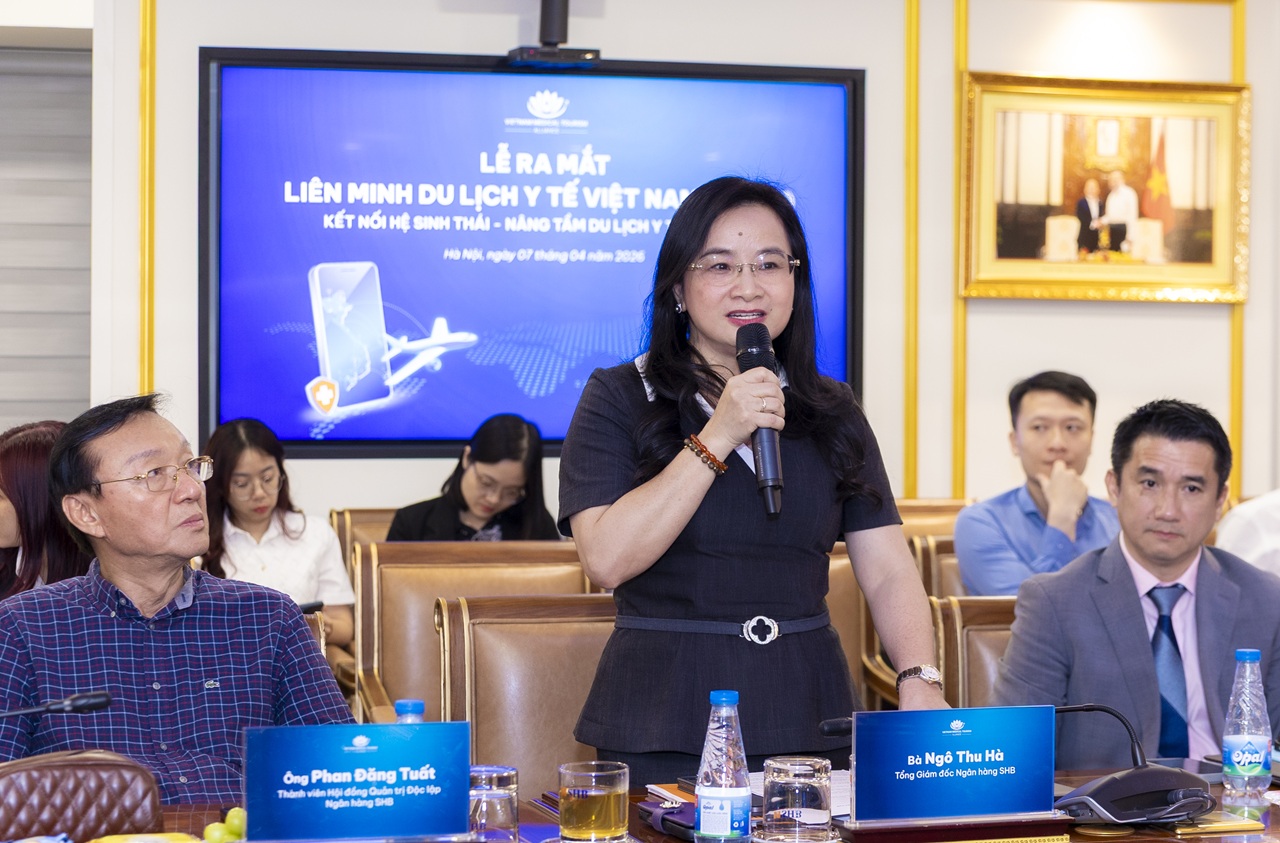
General Director of SHB Bank Ngo Thu Ha spoke at the program. Photo: SHB
The Alliance includes SHB Bank as a founding member and financial partner. General Director of SHB Bank Ngo Thu Ha emphasized that SHB’s participation in the Alliance is not limited to providing financial solutions, but also aims to help create a modern, smart, and sustainable medical tourism ecosystem.
“We define SHB’s role in the Alliance as a financial - technology partner, contributing to promoting comprehensive digital transformation in the medical tourism ecosystem. Through digital payment solutions, hospital fee guarantees, integrated finance, and digitalized service platforms, SHB expects to work with partners to build a seamless, convenient, and transparent experience journey for people, tourists, and businesses, contributing to the implementation of the national digital transformation strategy,” General Director Ngo Thu Ha shared.
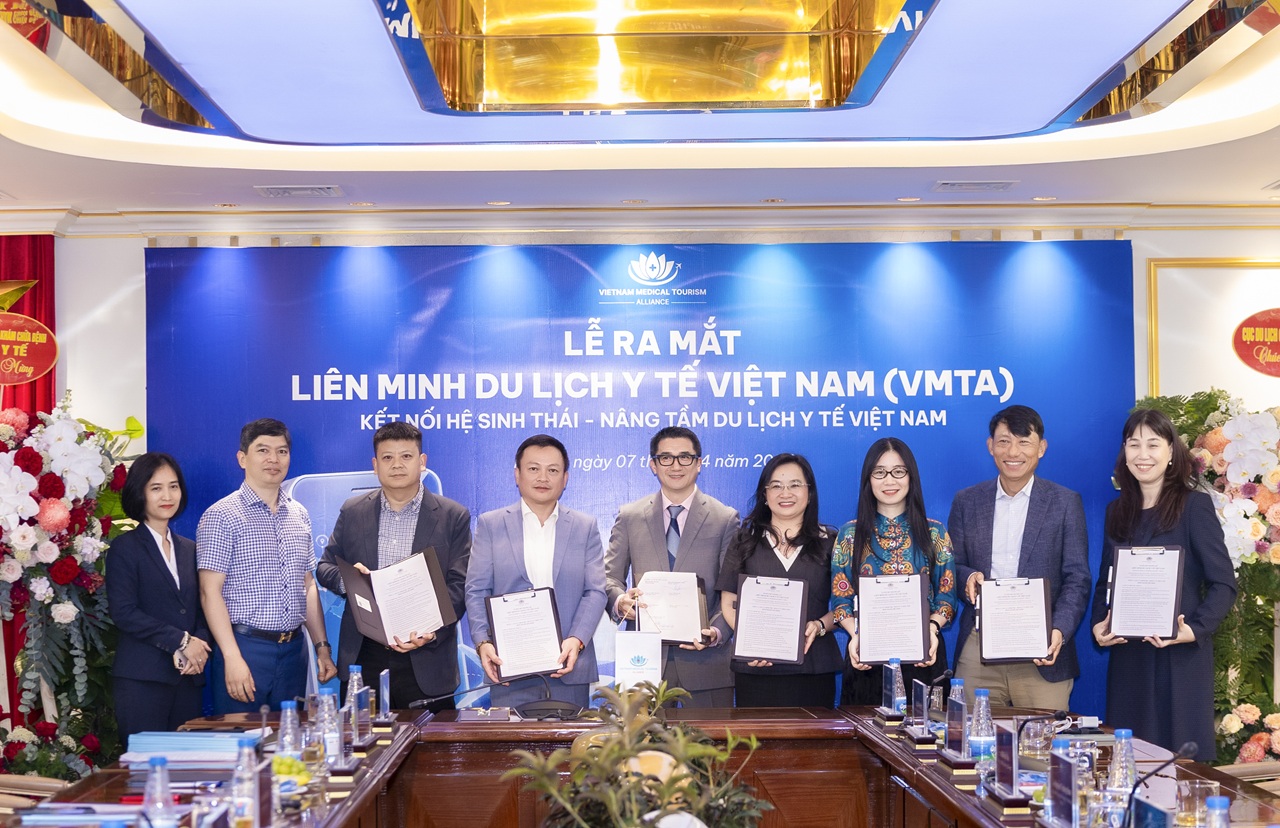
The signing and launch ceremony of the Vietnam Medical Tourism Alliance with founding members from the tourism, healthcare, technology, and finance sectors. Photo: SHB
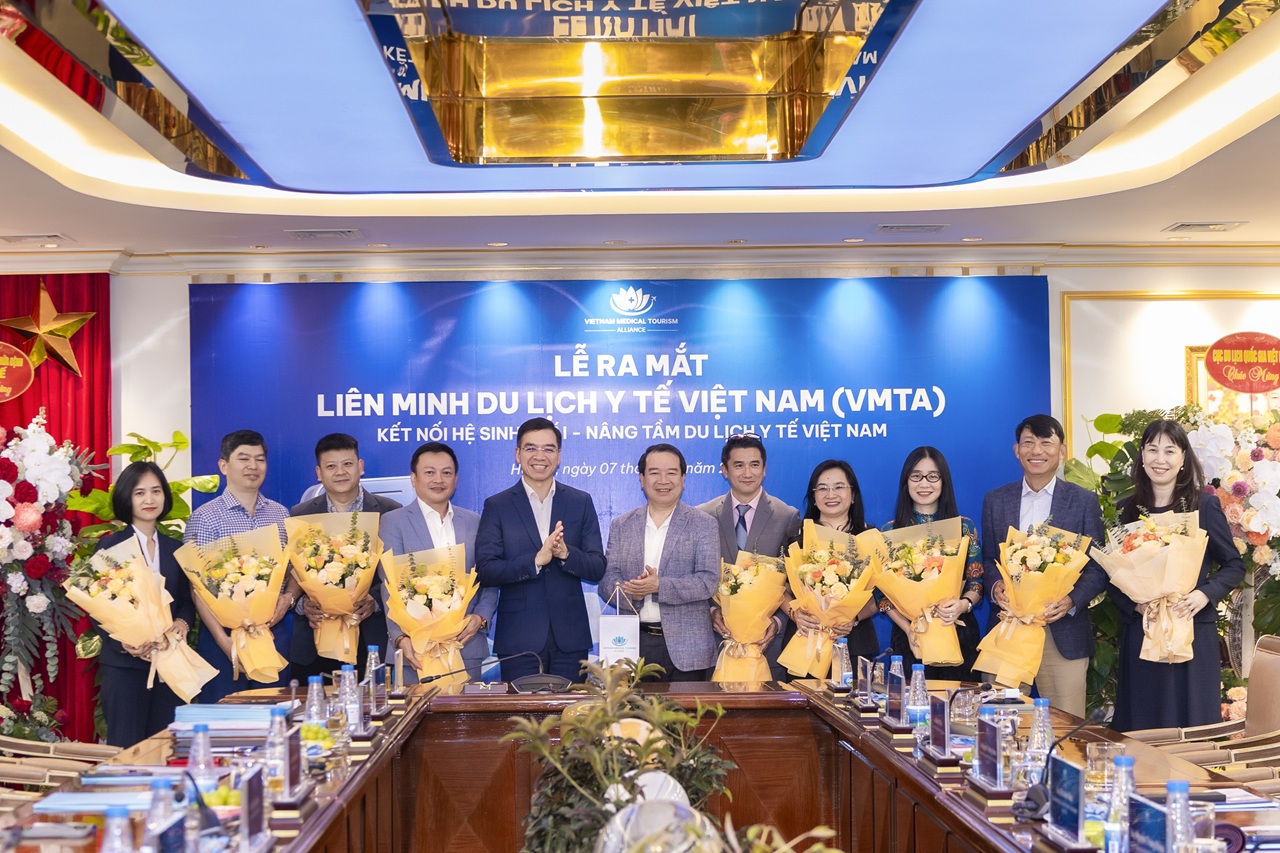
Leaders of the Vietnam National Authority of Tourism and the Medical Services Administration presented flowers in congratulations. Photo: SHB
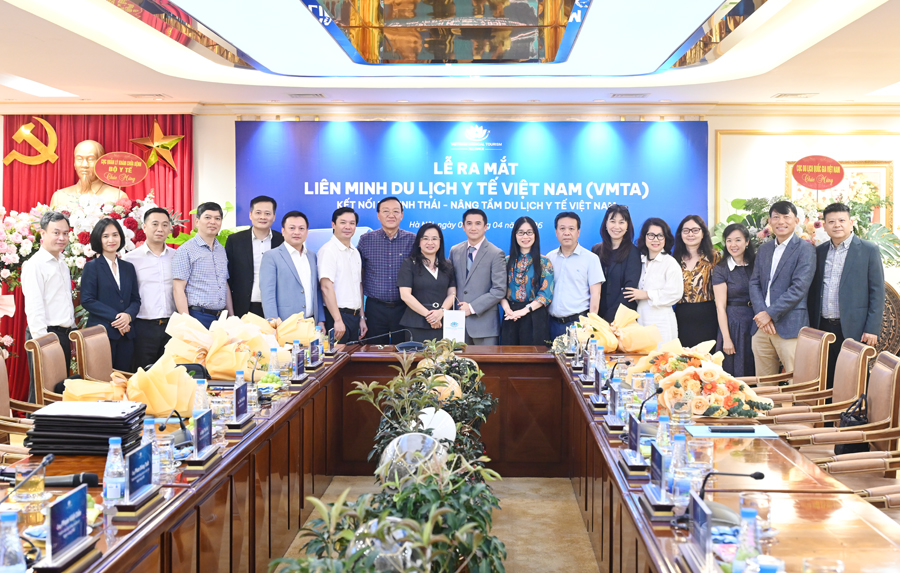
Leaders and delegates took a commemorative photo. Photo: TITC
In the context of increasingly intense competition in the region, Vietnam is gradually entering Asia’s medical tourism market by building an integrated ecosystem that connects healthcare, tourism, finance, and technology into a national competitive advantage. Therefore, the launch of VMTA not only marks the start of a new cooperation model, but also opens a more systematic and clearly oriented phase of integration, aiming toward the goal of building a national brand for Vietnam’s medical tourism.
Tourism Information Technology Center
You may also like

10 Things to keep in mind after eye surgery: Important warning signs you shouldn’t ignore
Eye surgery can help improve vision and treat many ophthalmic conditions. However, the treatment outcome depends not only on the surgery itself but also on post-operative care and monitoring. In the early days, some symp...
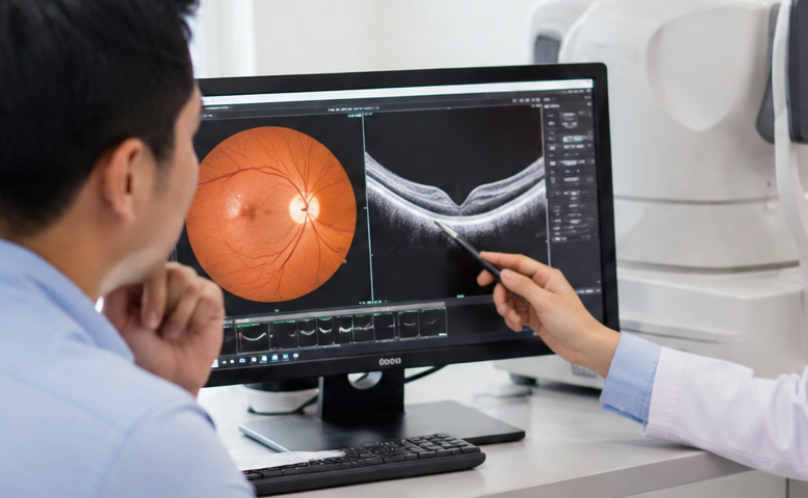
How to choose a suitable eye hospital in Vietnam?
The eyes are one of the most important organs in the body, so choosing the right hospital for examination and treatment is always a crucial factor in determining the effectiveness of treatment as well as the safety of th...